
Commercial Kitchen Hoods & Restaurant Exhaust Systems
Planning a new restaurant, remodeling a commercial kitchen, replacing a hood, or changing cooking equipment? We help coordinate commercial kitchen hood, exhaust, ventilation, and fire-protection needs while Xclusive Fire Protection handles the applicable commercial kitchen fire-suppression work.
Project scope: Xclusive Fire Protection is a California C-16 fire protection contractor. Commercial kitchen hood, ductwork, ventilation, sheet-metal, and related trade work is performed by appropriately licensed professionals. Xclusive Fire Protection provides the applicable commercial kitchen fire-suppression services and can help coordinate related project needs.
Commercial kitchen hood projects for new restaurants and remodels
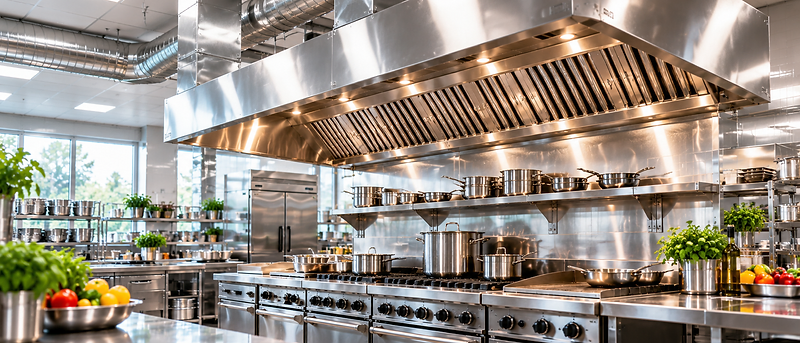
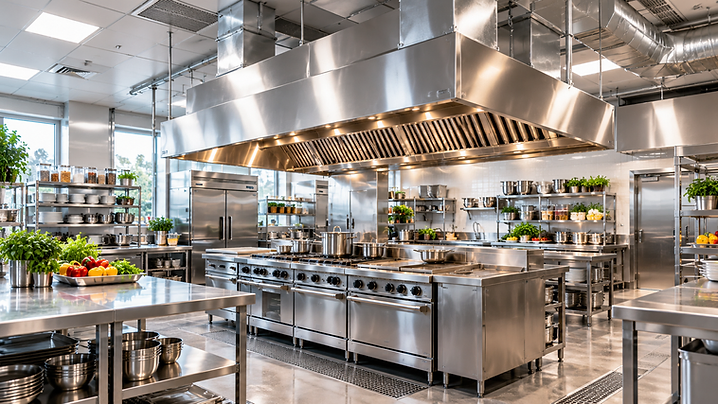
A restaurant hood is part of a larger commercial kitchen ventilation and fire-safety system. Depending on the project, the work may involve the hood canopy, exhaust duct, grease duct, rooftop exhaust fan, make-up air, controls, cooking-equipment layout, and the fire-suppression system protecting the cooking line.
We help restaurant owners, chefs, property managers, and contractors coordinate these moving parts for new restaurant build-outs, remodels, hood replacements, expanded cooking lines, and equipment changes.
Type I commercial kitchen hoods
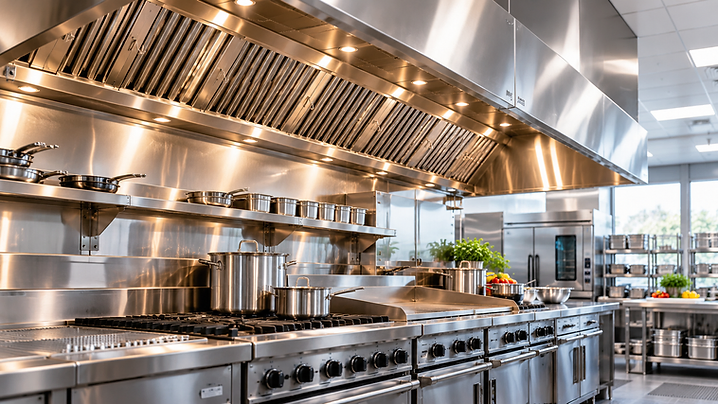
Type I hoods are used for commercial cooking operations that produce grease-laden vapors or smoke. They are commonly associated with equipment such as deep fryers, griddles, ranges, woks, charbroilers, tilting skillets, and other grease-producing cooking appliances.
A Type I hood project may involve grease filters or listed grease-removal components, exhaust ductwork, a commercial exhaust fan, make-up air, controls, and an automatic commercial kitchen fire-suppression system. Final requirements depend on the actual cooking equipment, hood listing, layout, building conditions, and local authority having jurisdiction.
If the project requires commercial kitchen fire suppression, see our commercial kitchen fire suppression services.
Type II commercial kitchen hoods
Type II hoods are generally used for heat, steam, moisture, and similar non-grease applications. They may be appropriate for certain dishwashing, steam, baking, or heat-producing operations that do not create grease-laden vapors.
The correct hood classification should be based on the actual appliance, cooking process, equipment listing, and applicable local requirements. If grease or smoke is produced, a Type I hood may be required instead.
Type I vs. Type II restaurant hoods
| Feature | Type I Hood | Type II Hood |
|---|---|---|
| Primary purpose | Grease, smoke, and cooking vapors | Heat, steam, and moisture |
| Typical applications | Fryers, griddles, ranges, charbroilers, woks | Certain dishwashing, steam, baking, or heat-producing applications |
| Grease exhaust | Commonly part of the system | Generally not a grease-exhaust application |
| Fire suppression | Often required depending on the cooking application | Depends on the equipment and application |
What can be involved in a restaurant hood and exhaust project?
- Type I grease hood or Type II heat and steam hood
- Commercial kitchen exhaust fan
- Grease duct or exhaust ductwork
- Make-up air system
- Roof curb and exhaust termination
- Controls and required system interlocks
- Commercial kitchen fire suppression
- Cooking-equipment layout review
- Plans, permits, and inspections as required by the local jurisdiction
Restaurant exhaust fans, grease duct, and make-up air
A commercial hood depends on the rest of the exhaust system working correctly. Exhaust fans move contaminated air out of the kitchen, grease duct carries grease-laden exhaust where applicable, and make-up air replaces air removed by the exhaust system. These components should be evaluated together rather than treated as unrelated pieces.
Opening a new restaurant?
Contact us early—before the cooking line is finalized. Early coordination can help identify whether the proposed equipment affects hood type, exhaust needs, and fire-suppression coverage before installation work begins.
- New restaurant build-outs
- Restaurant remodels
- Kitchen equipment changes
- Hood replacements
- Expanded cooking lines
- Restaurant concept changes
- Existing kitchens with new fryers, ranges, griddles, woks, or charbroilers
Commercial kitchen hood and fire-suppression coordination
The hood, cooking appliances, and fire-suppression system are connected from a safety and design standpoint. If appliances move or change, existing suppression nozzles and coverage may no longer match the cooking line. Xclusive Fire Protection can evaluate and perform the applicable suppression work while coordinating with the professionals handling the hood and ventilation scope.
Related services include new suppression installation, repairs and modifications, UL 300 upgrade evaluation, and restaurant fire-code compliance.
Commercial kitchen hood permits and inspections
Commercial hood projects can involve mechanical, building, electrical, and fire review depending on the jurisdiction and project scope. Requirements can vary by city. The project address, appliance list, hood information, plans, exhaust details, and fire-suppression design should be reviewed as early as practical.
Commercial kitchen hood project areas we serve
We help coordinate restaurant hood and related fire-protection projects throughout Los Angeles County, the San Fernando Valley, the San Gabriel Valley, Ventura County, and Orange County.
What to send us for a hood project
You do not need to know every technical detail before contacting us. To get started, send the project address, whether it is a new restaurant or remodel, the cooking-equipment list, plans if available, approximate hood size if known, and photos of the existing or proposed kitchen.
If you also need routine grease cleaning for an existing exhaust system, see our commercial kitchen hood-cleaning referral page.

Related services
Common questions
Ready to schedule service?
Call us or request service online and we'll help keep your kitchen compliant, protected, and ready for inspection.