
Class K vs. ABC Fire Extinguishers: Which Does Your Kitchen Need?
Not every fire extinguisher is right for a commercial kitchen. Here is the difference between Class K and ABC extinguishers and what your restaurant needs.
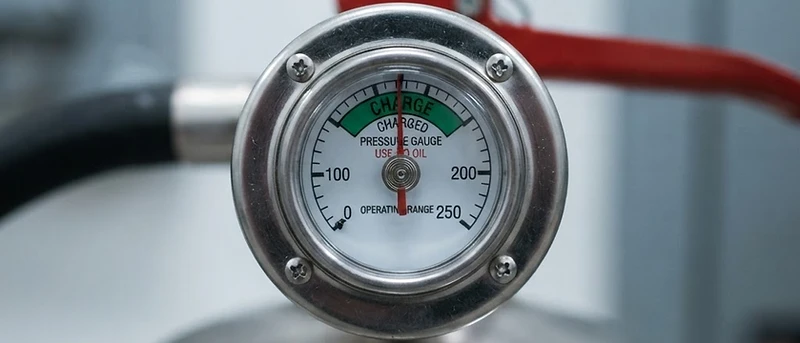
Walk into a commercial kitchen and you will usually find two types of fire extinguishers: a Class K extinguisher near the cooking line and an ABC extinguisher elsewhere in the building. They look similar, but they do very different jobs. Understanding the difference helps you make sure your kitchen has the right fire extinguisher protection in the right place.
What is an ABC fire extinguisher?
An ABC extinguisher is a general-purpose unit designed to handle three common types of fires:
- Class A: ordinary combustibles like wood, paper, and cloth
- Class B: flammable liquids like gasoline and oil
- Class C: electrical equipment
ABC extinguishers are the standard choice for offices, retail spaces, hallways, and general commercial areas. They are versatile, but they are not designed for the specific hazards of a commercial cooking line.
What is a Class K fire extinguisher?
A Class K extinguisher is built specifically for cooking grease and oil fires — the kind that happen in commercial kitchens with deep fryers, griddles, and wok stations. Class K extinguishers use a wet chemical agent that reacts with hot cooking oil to create a foam blanket that smothers the fire and helps prevent re-ignition.
In a commercial kitchen, a Class K extinguisher is required alongside the hood suppression system. It is the correct tool for a grease fire on the cooking line.
Why you need both
A common mistake is assuming one type covers everything. An ABC extinguisher used on a hot grease fire can actually make things worse by splashing burning oil. A Class K extinguisher is the right choice for the cooking line, while an ABC unit handles general hazards elsewhere in the building.
Placement matters too. Class K extinguishers should be located where they are easily accessible from the cooking area — typically within 30 feet of the cooking equipment. Your local fire code and authority having jurisdiction determine the exact requirements for your kitchen, and meeting them is a key part of restaurant fire code compliance.
Keeping them serviced
Both types require annual inspection and certification by a licensed technician. Depending on the type, a 6-year internal maintenance and a 12-year hydrostatic test may also be required. We track these cycles for you so your extinguishers stay ready and legal.
If you are not sure whether your kitchen has the right extinguishers in the right places, contact us. We will assess your kitchen and make sure you have the correct type, size, and placement for your hazards and code requirements.
Ready to schedule service?
Call us or request service online and we'll help keep your kitchen compliant, protected, and ready for inspection.